
Optimizing your website for search engines is essential for online visibility and success in the wide world of digital marketing. Onsite SEO and offsite SEO are the two main tactics that are essential to this procedure.
Onsite SEO involves optimizing your website for search engines, making it easily discoverable. Offsite SEO, beyond advertising, focuses on external efforts to enhance your online presence and visibility in search engine results. Both strategies are essential for effective digital marketing.
This article explores the difference between onsite and offsite SEO and how each can improve the overall search engine performance of your website. Comprehending these tactics is essential to creating a thorough SEO strategy that elevates your web visibility.
Onsite SEO
Onsite SEO, or on-Page SEO, refers to optimizing elements within a website to enhance its visibility on search engines. The primary purpose of on-site SEO is to make your website more appealing to both search engines and users, ultimately improving its chances of ranking higher in search results.
1. Optimizing Website Content for Search Engines
Onsite SEO involves fine-tuning the content of your web pages to align with what search engines are looking for. This includes strategically incorporating relevant keywords and ensuring search engine algorithms make the content easily understandable.
2. Improving User Experience
Another crucial aspect of Onsite SEO is enhancing the overall user experience. This means making your website easy to navigate, ensuring fast page loading times, and creating engaging and valuable content for visitors.
Key Onsite SEO Elements
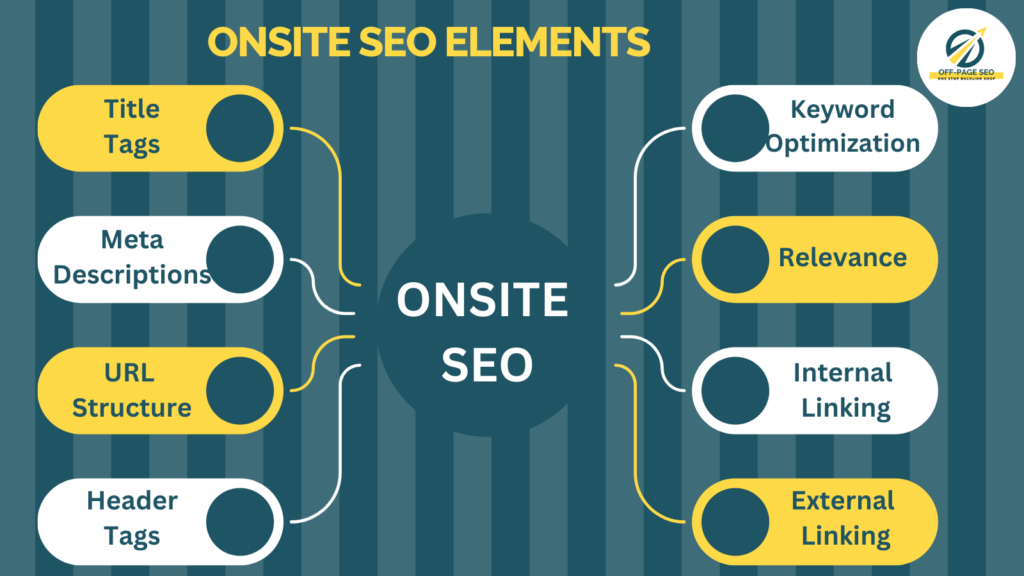
1. Title Tags
These are the clickable headlines on search engine results pages. They should be concise, include relevant keywords, and provide an accurate summary of the page’s content.
2. Meta Descriptions
These are summaries that provide additional information about a page. They should be compelling and relevant and encourage users to click through to your site.
3. URL Structure
A clean and organized URL structure is important for search engines and users. Use descriptive words in your URLs and avoid complex strings of characters. For example, “yourwebsite.com/topic/page” is preferable to “yourwebsite.com/index123.”
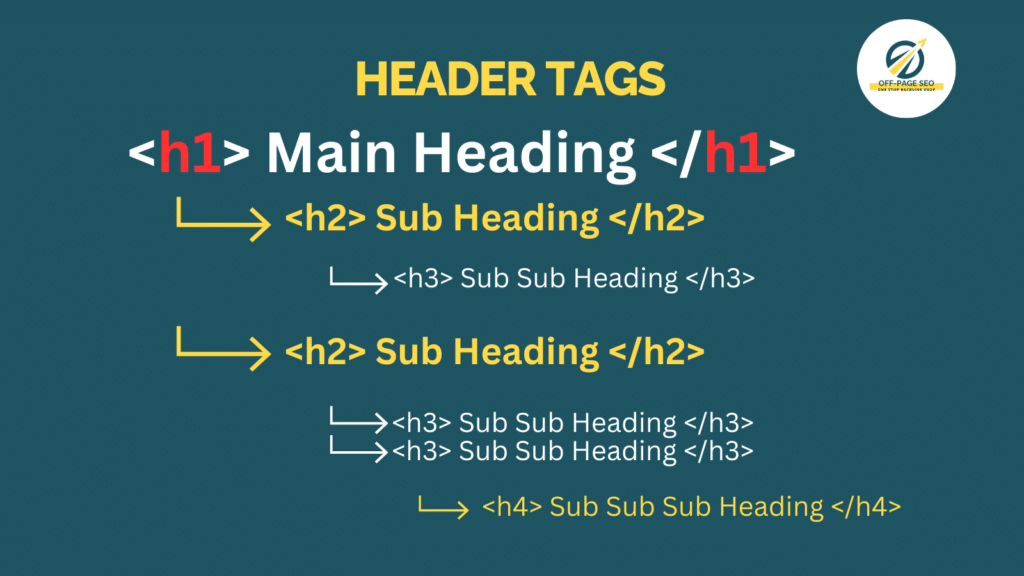
4. Header Tags (H1, H2, etc.)
Header tags are used to structure content on a page. The H1 tag represents the main heading, followed by H2, H3, etc. Search engines use these tags to understand the hierarchy and importance of content on a page.
5. Keyword Optimization
Carefully choose and incorporate relevant keywords into your content. This includes using them in headings, body text, and meta tags. However, it’s crucial to maintain a natural flow and avoid keyword stuffing.
6. Content Quality and Relevance
Create high-quality, valuable content that addresses the needs and interests of your target audience. Search engines favor content that provides genuine value, leading to better rankings.
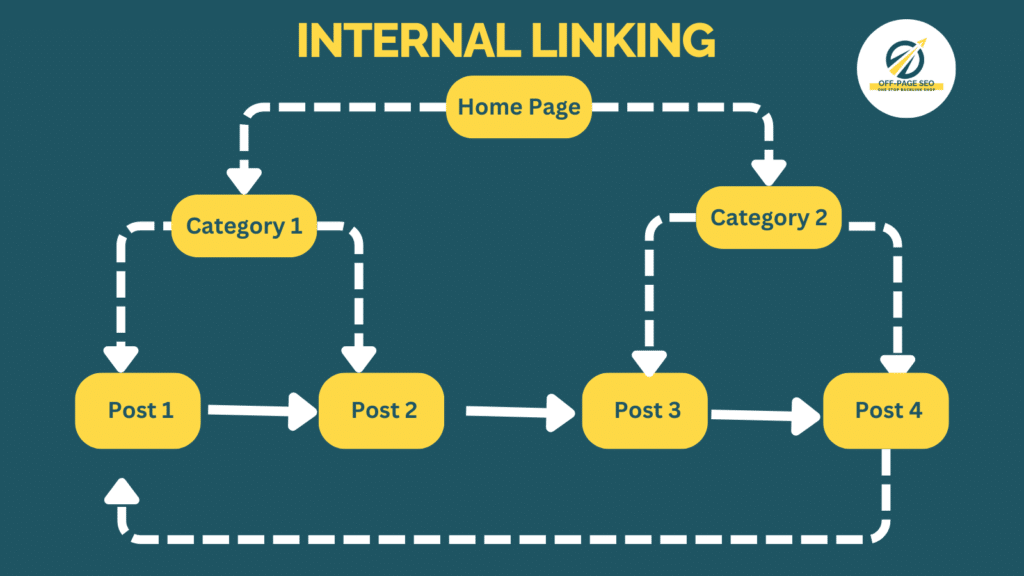
7. Internal Linking Strategies
Internal links connect different pages within your website. Use them strategically to guide users to related content and help search engines understand the structure and hierarchy of your site.
I’m adding a Quora forum where various users have extensively discussed this topic to make it easier for you.
Offsite SEO
Offsite SEO, or off-Page SEO, involves activities outside your website to enhance its visibility and credibility on search engines. The primary goals are to establish authority, build credibility, and expand your online presence beyond the confines of your site.
1. Building Authority and Credibility
Offsite SEO aims to position your website as an authoritative and trustworthy source in your industry. Search engines consider websites with established authority more reliable, leading to higher rankings.
2. Increasing Online Presence Beyond the Website
Offsite SEO extends the reach of your website beyond its immediate content. It involves engaging with external platforms and communities to promote your brand and content, increasing your online footprint.
Key Offsite SEO Elements
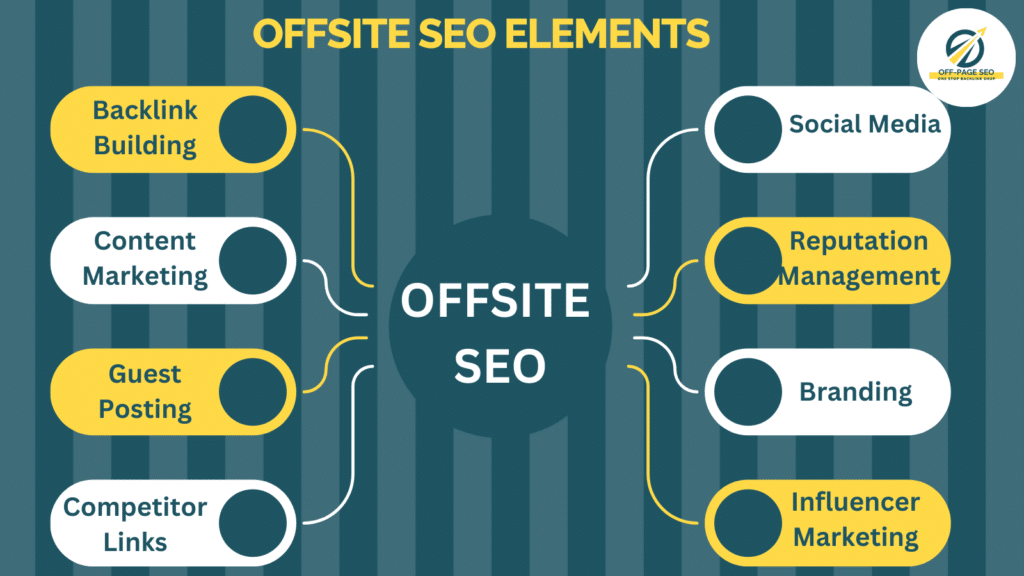
1. Backlink Building
Natural Backlinks:
These are links earned organically due to the quality and relevance of your content. Search engines value these links more highly.
Artificial Backlinks:
These links acquired through deliberate efforts may violate search engine guidelines if done excessively or manipulatively.
Quality and Relevance of Backlinks:
Quality backlinks come from reputable and relevant sources. Search engines see these as endorsements of your content. Relevance is key, as links from websites in a similar industry or niche carry more weight.
2. Social Media Presence
Impact on SEO
Social media presence indirectly influences SEO. While social signals may not directly impact rankings, increased visibility on social platforms can lead to more people discovering and sharing your content, potentially leading to more backlinks.
Strategies for Leveraging Social Platforms
- Regularly share your content on social media.
- Engage with your audience through comments and discussions.
- Encourage social sharing to amplify your content’s reach.
- Optimize your social media profiles with relevant information and links.
3. Online Reviews and Reputation Management
The Influence of Reviews on Search Rankings
Positive reviews contribute to a positive online reputation, indirectly influencing search rankings. Search engines want to deliver reliable and valuable results to users, and positive reviews signal trustworthiness.

Strategies for Managing Online Reputation
- Encourage satisfied customers to leave reviews.
- Respond promptly and professionally to negative reviews.
- Monitor online mentions and address any issues.
- Maintain transparency and authenticity in your interactions.
I’m now including a relevant DigitalPoint forum where users have actively discussed this topic. Explore the discussions for additional insights, tips, and experiences related to the subject.
Onsite vs. Offsite SEO: Impact on Search Rankings
1. How Onsite SEO Affects Search Engine Rankings
Onsite SEO determines how well search engines understand and rank your content. By optimizing content with relevant keywords, creating a logical site structure, and ensuring a positive user experience, you signal to search engines that your site is valuable and user-friendly.
Search engines analyze onsite elements like title tags, meta descriptions, and keyword usage to determine the relevance of your content to users’ search queries. Well-optimized onsite elements contribute to higher visibility and improved rankings.
2. The Role of Offsite SEO in Boosting Rankings
Offsite SEO, particularly through backlink building, acts as a vote of confidence and validation from external sources. Quality backlinks from authoritative websites indicate to search engines that your content is trustworthy and valuable.
The accumulation of these external signals contributes to higher search engine rankings. A website with a strong offsite presence is more likely to be seen as an industry leader, gaining a competitive edge in search results.
I’m adding another Quora forum for you to explore and gain insights into both onsite and offsite SEO techniques. Dive into the discussions and find out which is considered more effective and the reasons behind it.
Common Mistakes to Avoid in Onsite and Offsite SEO
Onsite SEO Pitfalls
1. Keyword Stuffing
- Mistake: Some website owners try to over-optimize their content by excessively using keywords to boost rankings. This practice, keyword stuffing, can make the content sound unnatural and be off-putting for users.
- Impact: Keyword stuffing fails to fool search engines and can result in penalties. Search engines prioritize content that is natural and valuable to users. Keyword stuffing may lead to a poor user experience and a decline in search rankings.
2. Poor Content Quality
- Mistake: Neglecting the quality of onsite content is a significant error. If your content lacks substance, is poorly written, or is irrelevant to your audience, it diminishes the overall value of your website.
- Impact: Users and search engines prefer high-quality, informative content. Poorly written or irrelevant content can lead to a high bounce rate, where users quickly leave your site. Search engines interpret this as a signal that your content is not meeting user expectations, potentially lowering your rankings.
Offsite SEO Pitfalls
1. Spammy Backlinks
- Mistake: Acquiring backlinks from low-quality or irrelevant websites solely for link building is a common mistake. These spammy backlinks can harm your website’s reputation and credibility.
- Impact: Search engines penalize websites with spammy backlinks. The focus should be on quality, not quantity. A few high-quality, relevant backlinks carry more weight than numerous low-quality ones. Spammy backlinks can lose trust and authority, negatively impacting search rankings.
2. Ignoring Online Reputation
- Mistake: Disregarding what people say about your brand online, including reviews and social media comments, is a mistake. Ignoring your online reputation can lead to missed improvement and damage control opportunities.
- Impact: Online reputation is a crucial aspect of offsite SEO. Negative reviews or unfavorable comments can tarnish your brand image and influence search rankings. Proactively managing your online reputation, addressing concerns, and fostering positive interactions can contribute to a more favorable perception by users and search engines.
I’ve provided all the information in the article, along with sharing some informative forums. If you’re looking for more insights, feel free to visit this forum for additional information.
Conclusion
Balancing both onsite and offsite SEO is vital for optimal online visibility. While onsite SEO ensures your website is search engine-friendly, offsite SEO, beyond advertising, boosts external factors like credibility and backlinks. Together, these strategies form a comprehensive approach to enhancing your site’s accessibility and overall search engine performance, ultimately contributing to a successful online presence.